Number and algebra · SL 1.1
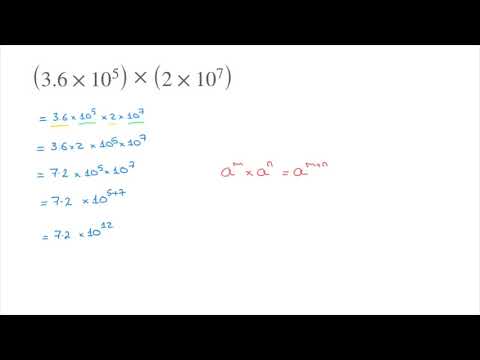
Standard Form - How to Multiply and Divide Numbers written in Standard Form part 1 of 2
Multiply and divide numbers written in standard form.
Watch on YouTube (opens in a new tab)Clear explanations, worked examples and calculator guidance. Find the tutorial that matches your course and the skill you are practising.
Visit the YouTube channel
Number and algebra · SL 1.1
Multiply and divide numbers written in standard form.
Watch on YouTube (opens in a new tab)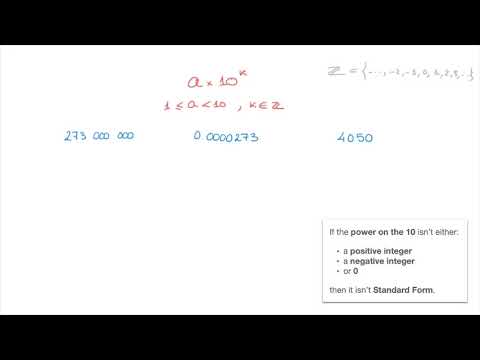
Number and algebra · SL 1.1
Write positive numbers in standard form and interpret powers of ten.
Watch on YouTube (opens in a new tab)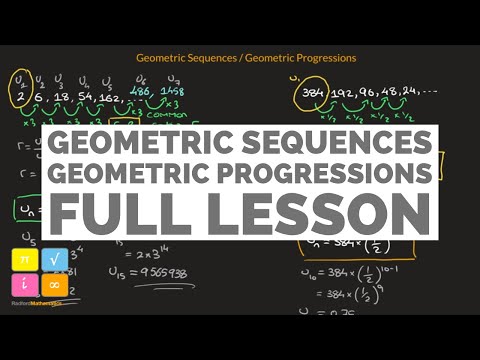
Number and algebra · SL 1.3
Identify a common ratio and use explicit and recursive formulas for geometric sequences.
Watch on YouTube (opens in a new tab)
Number and algebra · SL 1.3
Find the first term above a threshold using either a calculator or logarithms.
Watch on YouTube (opens in a new tab)
Number and algebra · SL 1.3
Use a flexible nth-term formula to move directly between known terms of a geometric sequence.
Watch on YouTube (opens in a new tab)
Number and algebra · SL 1.3
Find the sum of the first n terms of a geometric sequence.
Watch on YouTube (opens in a new tab)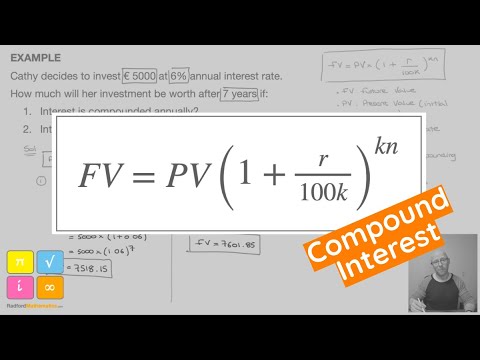
Number and algebra · SL 1.4
Apply compound interest with annual and monthly compounding.
Watch on YouTube (opens in a new tab)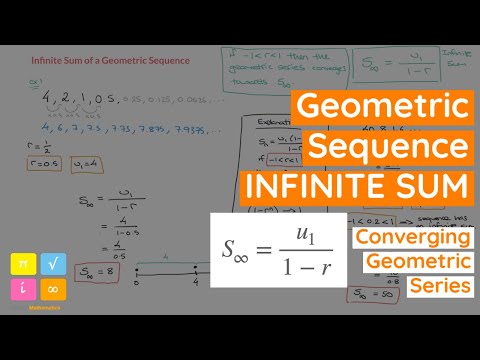
Number and algebra · SL 1.8
Check convergence and calculate the sum to infinity of a geometric series.
Watch on YouTube (opens in a new tab)
Number and algebra · SL 1.9
Calculate binomial coefficients with nCr on the TI-Nspire CX.
Watch on YouTube (opens in a new tab)
Number and algebra · SL 1.9
Use symmetry and shortcuts for binomial coefficients.
Watch on YouTube (opens in a new tab)
Number and algebra · SL 1.9
Calculate and interpret binomial coefficients.
Watch on YouTube (opens in a new tab)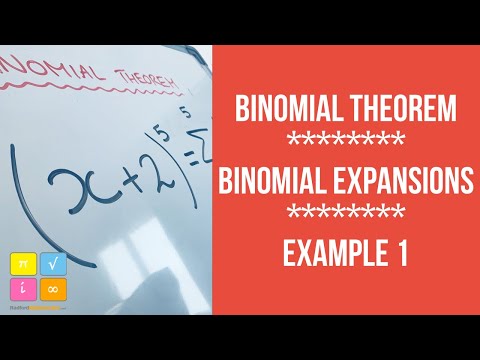
Number and algebra · SL 1.9
Apply the binomial theorem in a worked expansion.
Watch on YouTube (opens in a new tab)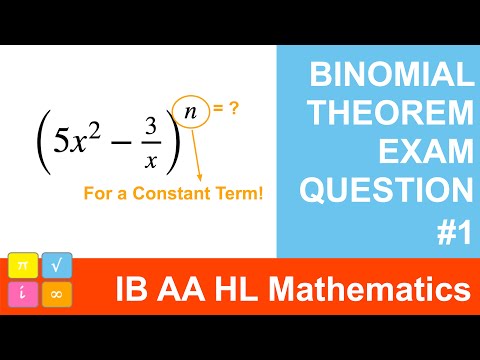
Number and algebra · SL 1.9
Find an unknown exponent from a constant-term condition in an AA HL question.
Watch on YouTube (opens in a new tab)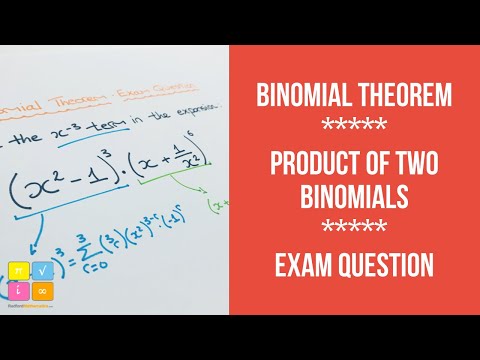
Number and algebra · SL 1.9
Combine two binomial expansions in an AA HL exam-style question.
Watch on YouTube (opens in a new tab)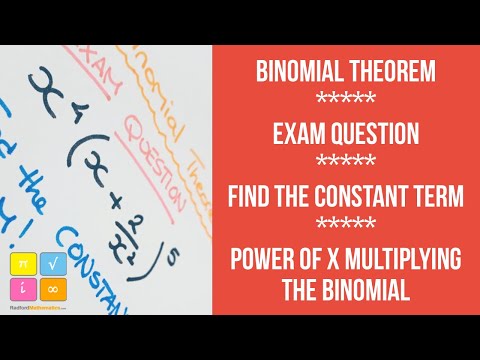
Number and algebra · SL 1.9
Find a specified term when a binomial expansion is multiplied by a power of x.
Watch on YouTube (opens in a new tab)
Number and algebra · SL 1.9
Construct Pascal’s triangle to find binomial coefficients.
Watch on YouTube (opens in a new tab)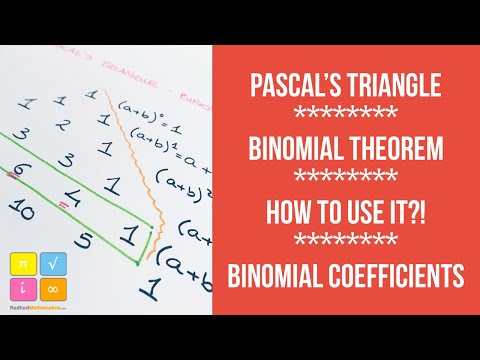
Number and algebra · SL 1.9
Use Pascal’s triangle when expanding a binomial.
Watch on YouTube (opens in a new tab)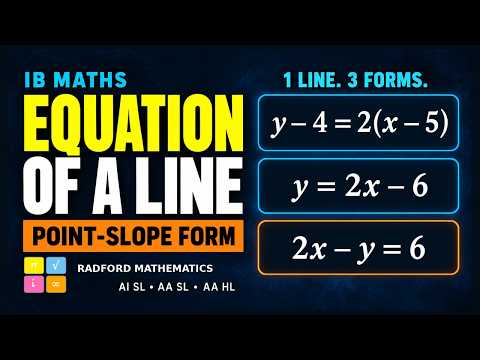
Functions · SL 2.1
Find a line equation using a known point and gradient.
Watch on YouTube (opens in a new tab)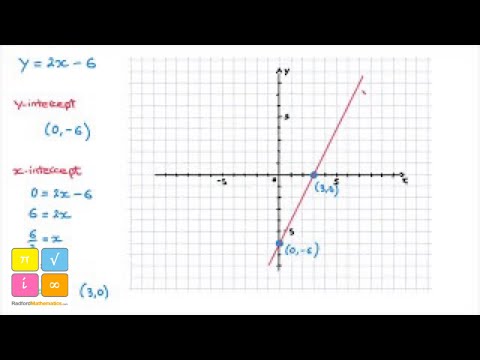
Functions · SL 2.1
Draw a straight line using its gradient and y-intercept.
Watch on YouTube (opens in a new tab)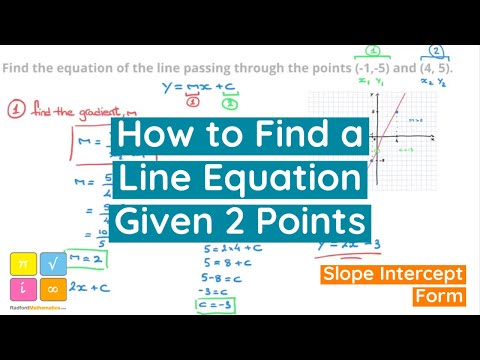
Functions · SL 2.1
Find the equation of a straight line through two given points.
Watch on YouTube (opens in a new tab)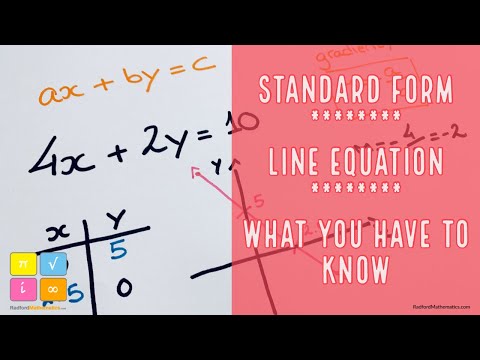
Functions · SL 2.1
Understand and use the standard form of a straight-line equation.
Watch on YouTube (opens in a new tab)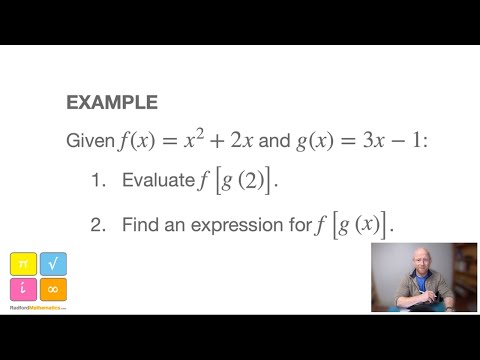
Functions · SL 2.5
Evaluating a numerical input and finding an expression, using two methods.
Watch on YouTube (opens in a new tab)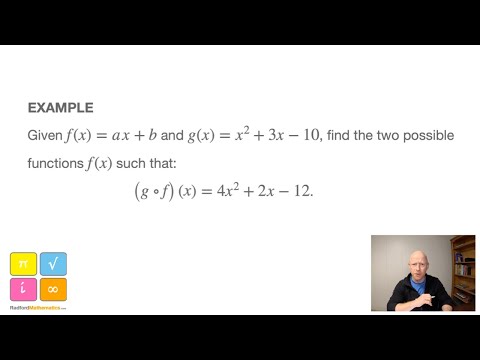
Functions · SL 2.5
An unknown function, two possible answers and a hidden quadratic.
Watch on YouTube (opens in a new tab)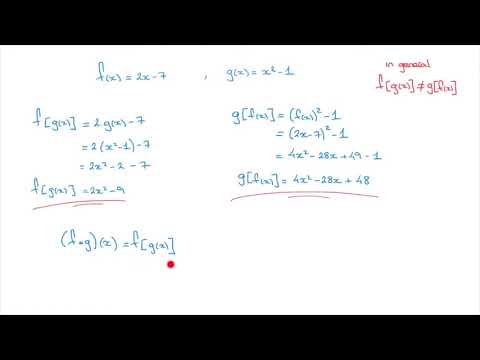
Functions · SL 2.5
Several examples of replacing each input in the outer function.
Watch on YouTube (opens in a new tab)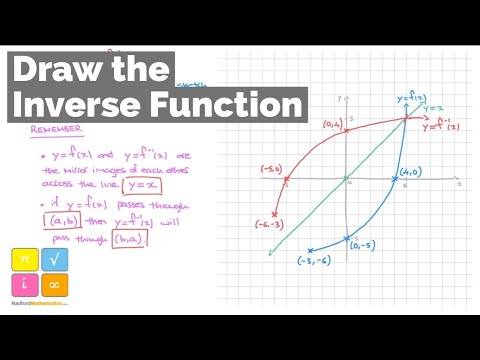
Functions · SL 2.5
Swap marked points and intercepts, then reflect across \(y=x\).
Watch on YouTube (opens in a new tab)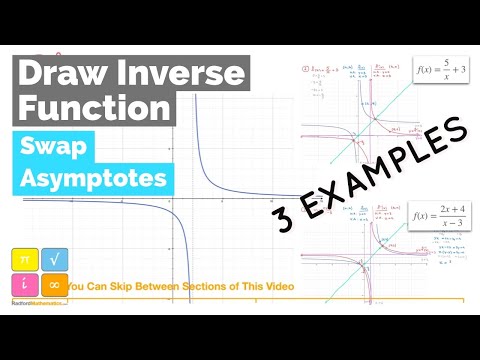
Functions · SL 2.5
Three worked examples combining graphical and algebraic methods.
Watch on YouTube (opens in a new tab)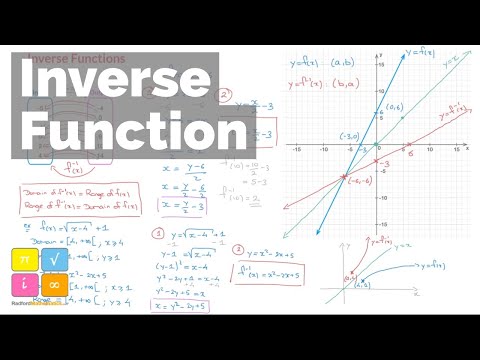
Functions · SL 2.5
Meaning, algebra, graphs and domain/range; a complete revision lesson.
Watch on YouTube (opens in a new tab)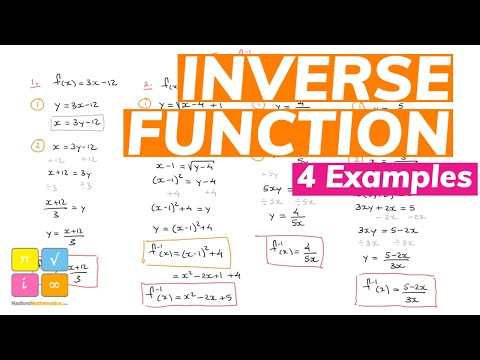
Functions · SL 2.5
Practise the swap-and-rearrange method with several functions.
Watch on YouTube (opens in a new tab)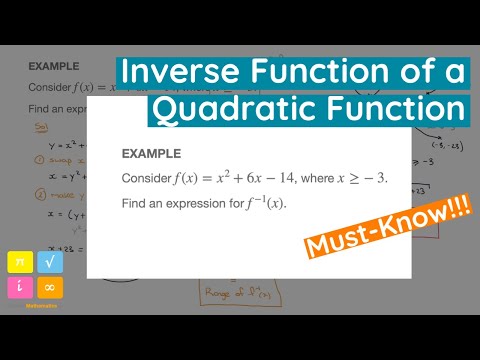
Functions · SL 2.5
Complete the square, then use the required range to select one branch.
Watch on YouTube (opens in a new tab)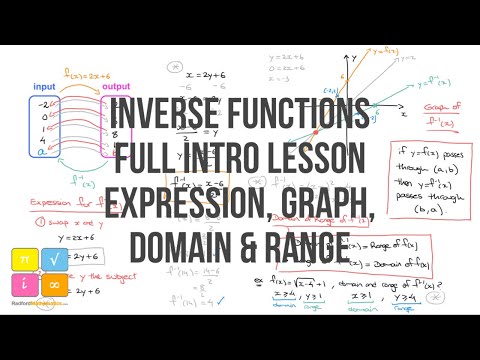
Functions · SL 2.5
A full lesson connecting all four features; useful after this example.
Watch on YouTube (opens in a new tab)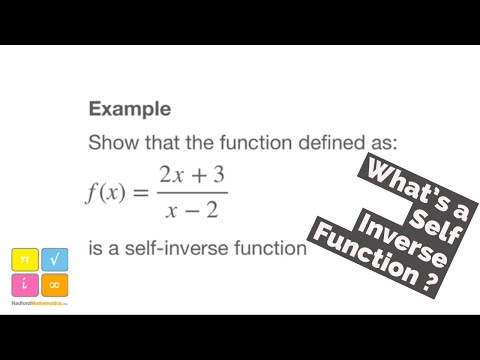
Functions · SL 2.5
The definition, graphical meaning and two methods of verification.
Watch on YouTube (opens in a new tab)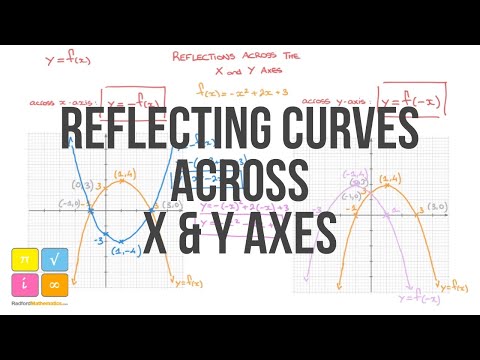
Functions · SL 2.11
Compare reflections across the x-axis and y-axis.
Watch on YouTube (opens in a new tab)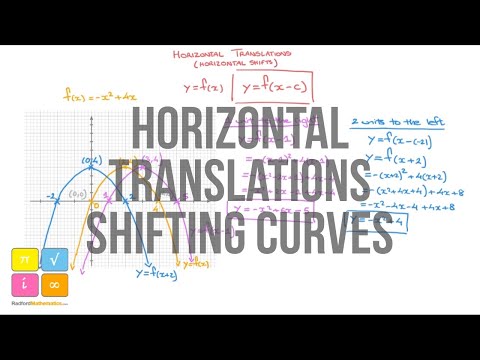
Functions · SL 2.11
Translate graphs horizontally by changing the input.
Watch on YouTube (opens in a new tab)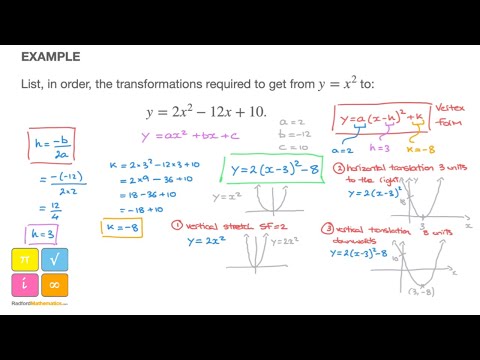
Functions · SL 2.11
List a sequence of transformations from a parent parabola.
Watch on YouTube (opens in a new tab)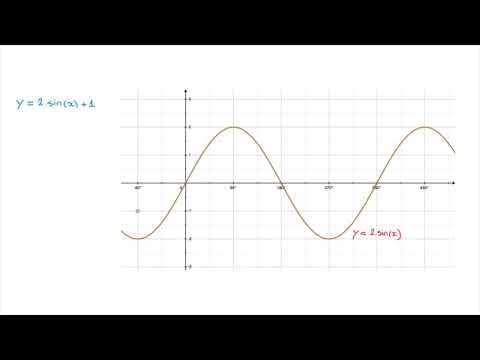
Functions · SL 2.11
Translate a graph by adding to or subtracting from its output.
Watch on YouTube (opens in a new tab)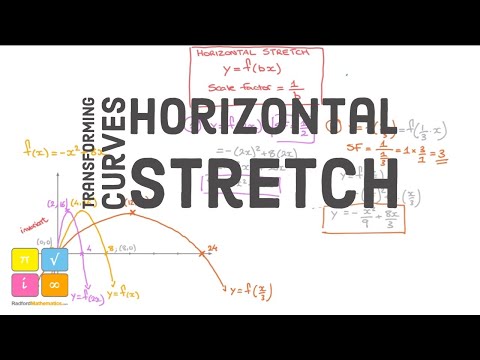
Functions · SL 2.11
Use the reciprocal input multiplier as the horizontal scale factor.
Watch on YouTube (opens in a new tab)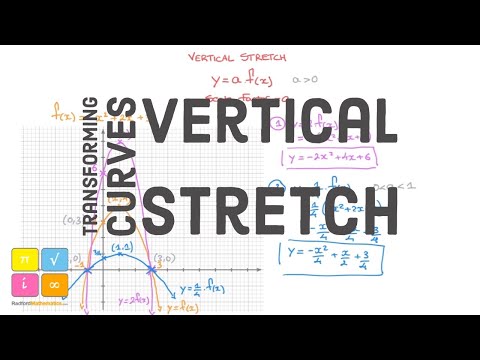
Functions · SL 2.11
Apply a vertical scale factor to every output and track the key points.
Watch on YouTube (opens in a new tab)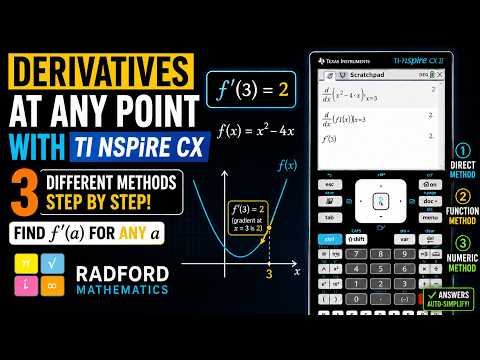
Calculus · SL 5.1
Find a numerical derivative at a chosen point using three TI-Nspire CX methods.
Watch on YouTube (opens in a new tab)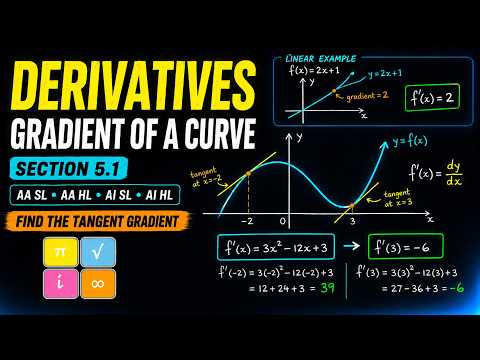
Calculus · SL 5.1
Understand the derivative as the gradient of a curve and interpret values of the gradient function.
Watch on YouTube (opens in a new tab)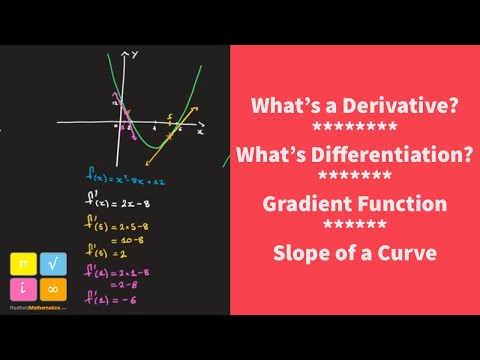
Calculus · SL 5.1
Connect differentiation, tangent gradients and the gradient function.
Watch on YouTube (opens in a new tab)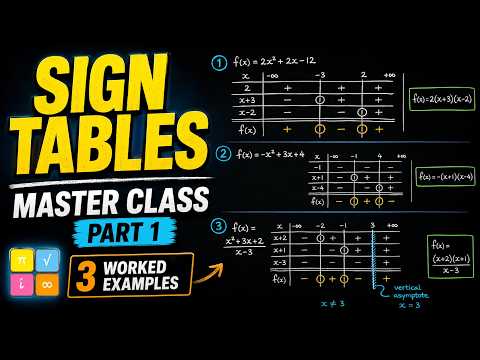
Calculus · SL 5.2; SL 5.8
Construct sign tables and use them to analyse the signs of expressions.
Watch on YouTube (opens in a new tab)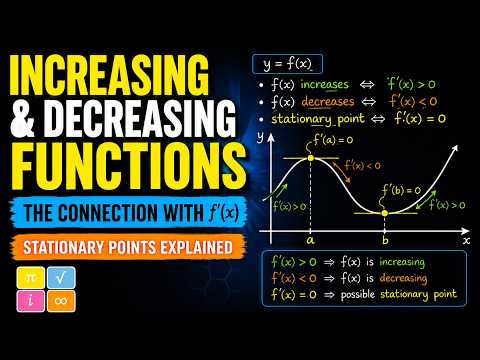
Calculus · SL 5.2
Use the sign of the derivative to identify intervals of increase and decrease.
Watch on YouTube (opens in a new tab)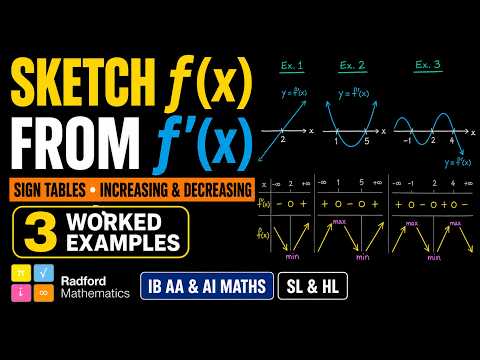
Calculus · SL 5.2
Read the sign of the derivative and use a sign table to sketch the original function.
Watch on YouTube (opens in a new tab)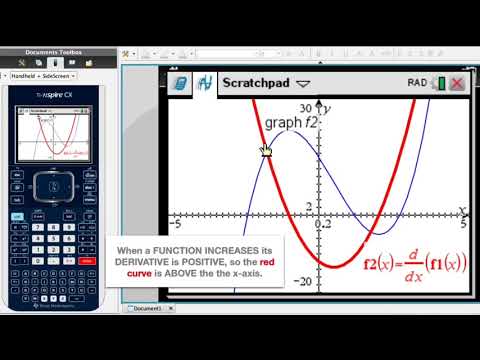
Calculus · SL 5.2; SL 5.7
Plot and analyse the first and second derivative functions on a TI-Nspire CX.
Watch on YouTube (opens in a new tab)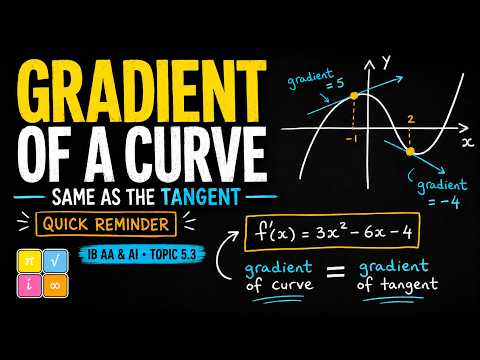
Calculus · SL 5.3
Interpret the gradient of a curve as the gradient of its tangent at a point.
Watch on YouTube (opens in a new tab)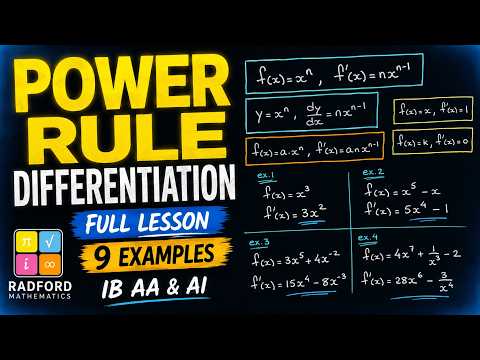
Calculus · SL 5.3
Apply the power rule for differentiation through nine worked examples.
Watch on YouTube (opens in a new tab)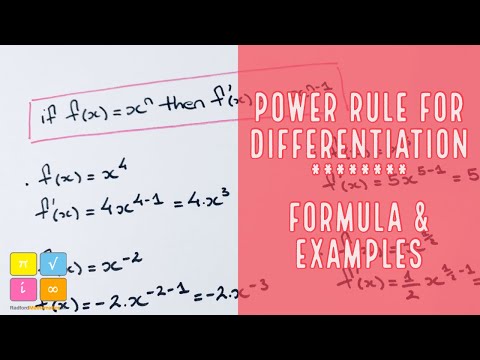
Calculus · SL 5.3
Learn the power rule and apply it to differentiate powers of x.
Watch on YouTube (opens in a new tab)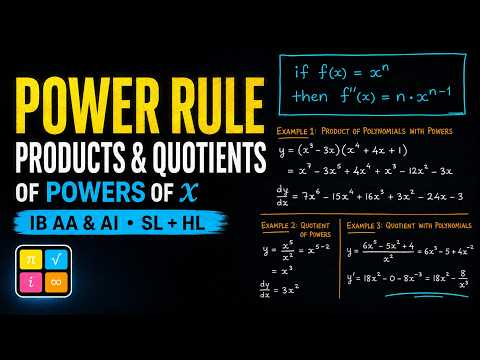
Calculus · SL 5.3
Simplify products and quotients of powers before applying the power rule.
Watch on YouTube (opens in a new tab)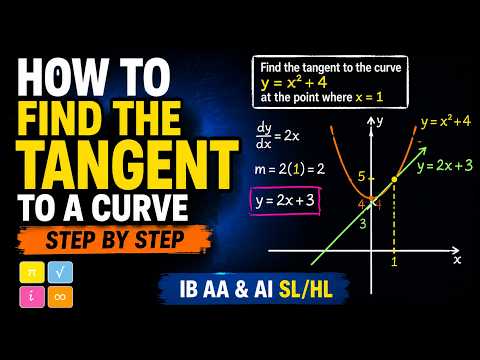
Calculus · SL 5.4
Find the equation of a tangent using the point on the curve and its derivative.
Watch on YouTube (opens in a new tab)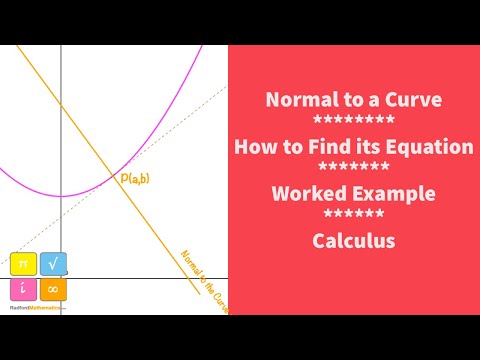
Calculus · SL 5.4
Find the equation of a normal using its point and perpendicular gradient.
Watch on YouTube (opens in a new tab)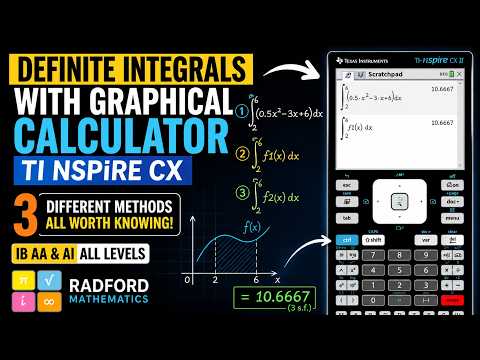
Calculus · SL 5.5
Evaluate definite integrals on the TI-Nspire CX II using three calculator methods.
Watch on YouTube (opens in a new tab)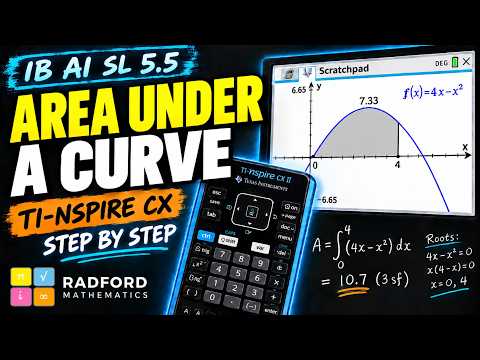
Calculus · SL 5.5
Calculate the area under a curve using a definite integral on the TI-Nspire CX.
Watch on YouTube (opens in a new tab)
Calculus · SL 5.11; SL 5.5
Evaluate a definite integral graphically on a TI-Nspire CX.
Watch on YouTube (opens in a new tab)
Calculus · SL 5.6
Apply useful chain-rule shortcuts to common composite functions.
Watch on YouTube (opens in a new tab)
Calculus · SL 5.6
Differentiate composite functions with the chain rule.
Watch on YouTube (opens in a new tab)
Calculus · SL 5.6
Differentiate products of functions using the product rule.
Watch on YouTube (opens in a new tab)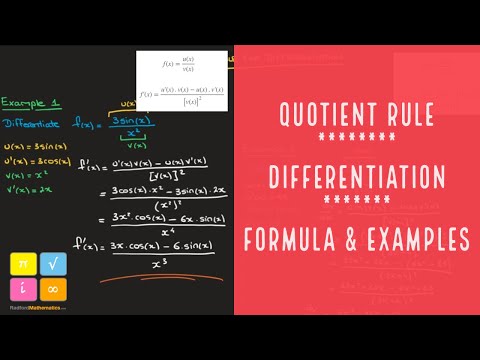
Calculus · SL 5.6
Differentiate quotients of functions with a step-by-step quotient-rule method.
Watch on YouTube (opens in a new tab)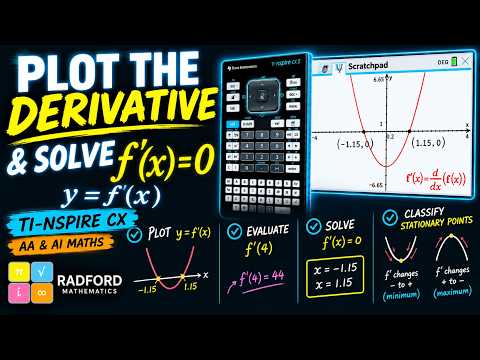
Calculus · SL 5.8; SL 5.6
Generate the derivative graph, solve f′(x) = 0 and use it to classify stationary points.
Watch on YouTube (opens in a new tab)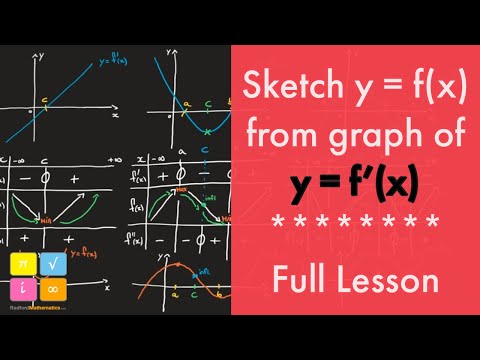
Calculus · SL 5.7
Sketch a possible original function from the graph of its derivative.
Watch on YouTube (opens in a new tab)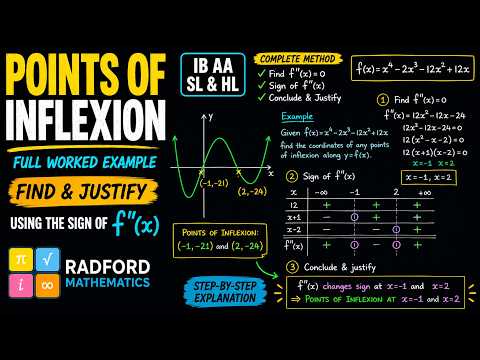
Calculus · SL 5.7
Find points of inflexion by checking changes in the sign of the second derivative.
Watch on YouTube (opens in a new tab)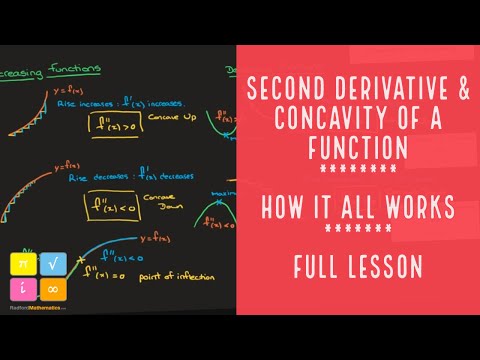
Calculus · SL 5.7
Connect the second derivative to concavity and the shape of a function.
Watch on YouTube (opens in a new tab)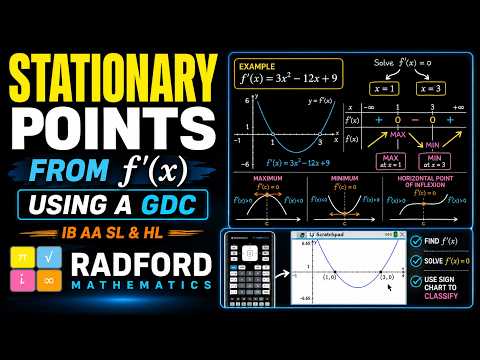
Calculus · SL 5.7; SL 5.8
Locate and classify stationary points from the graph of the derivative.
Watch on YouTube (opens in a new tab)
Calculus · SL 5.8
Solve a calculus exam question involving stationary points, the product rule and the second derivative test.
Watch on YouTube (opens in a new tab)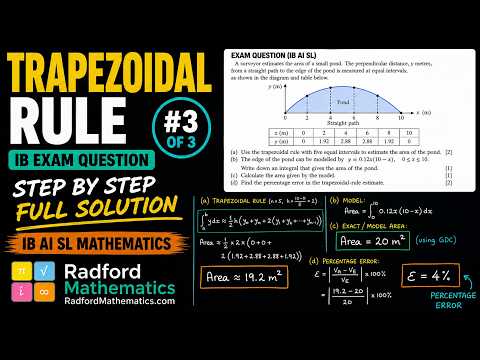
Calculus · SL 5.8
Work through an IB AI SL exam question using the trapezoidal rule.
Watch on YouTube (opens in a new tab)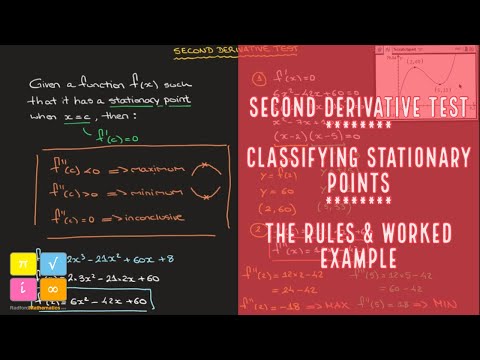
Calculus · SL 5.8
Classify stationary points with the second derivative test.
Watch on YouTube (opens in a new tab)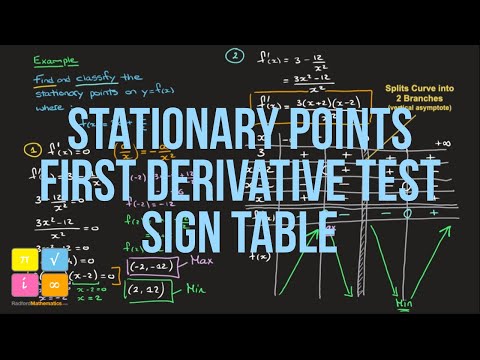
Calculus · SL 5.8
Construct a sign table for the derivative and use it to classify stationary points.
Watch on YouTube (opens in a new tab)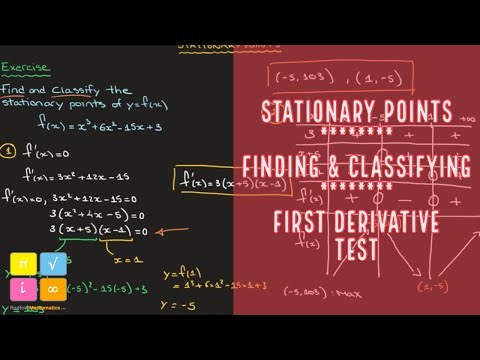
Calculus · SL 5.8
Find and classify stationary points using the first derivative test.
Watch on YouTube (opens in a new tab)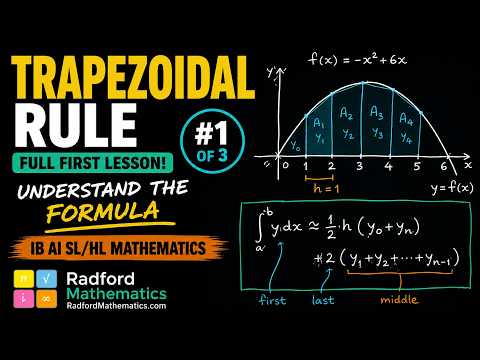
Calculus · SL 5.8
Understand how the trapezoidal-rule formula approximates an area.
Watch on YouTube (opens in a new tab)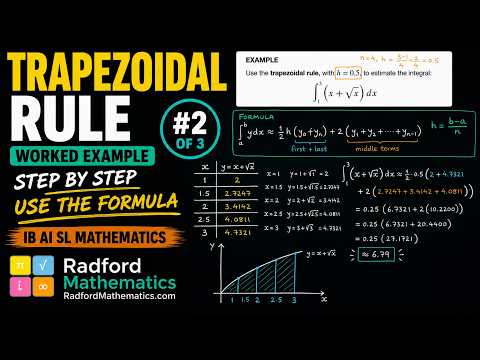
Calculus · SL 5.8
Apply the trapezoidal rule step by step in a complete worked example.
Watch on YouTube (opens in a new tab)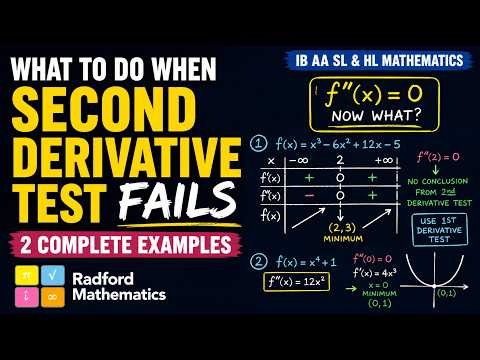
Calculus · SL 5.8
Use alternative tests when the second derivative is zero at a stationary point.
Watch on YouTube (opens in a new tab)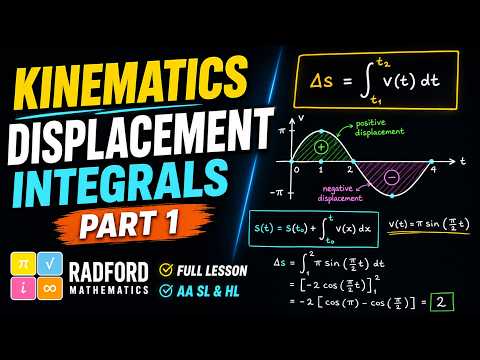
Calculus · SL 5.9
Find displacement by integrating velocity.
Watch on YouTube (opens in a new tab)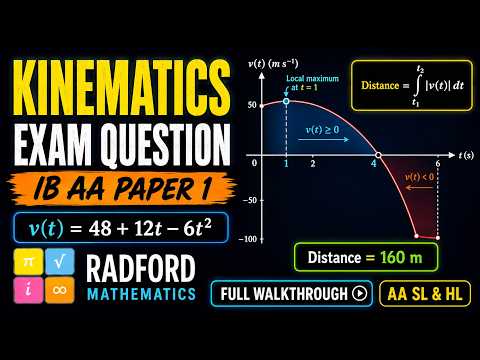
Calculus · SL 5.9
Work through a Paper 1 kinematics question involving a quadratic velocity function.
Watch on YouTube (opens in a new tab)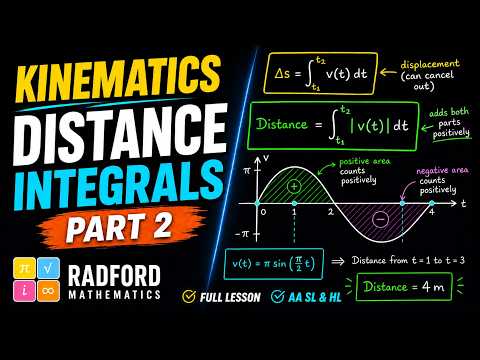
Calculus · SL 5.9
Find total distance by integrating speed and accounting for changes in direction.
Watch on YouTube (opens in a new tab)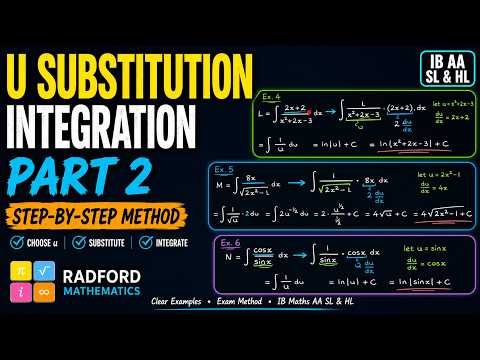
Calculus · SL 5.10
Extend substitution methods to rational functions and related integrals.
Watch on YouTube (opens in a new tab)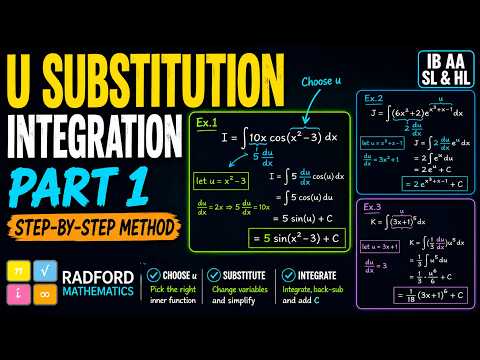
Calculus · SL 5.10
Recognise and solve integrals using substitution and reverse-chain-rule ideas.
Watch on YouTube (opens in a new tab)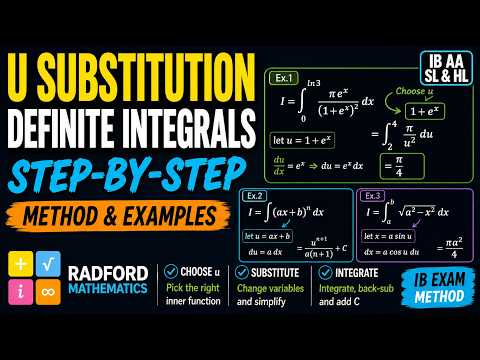
Calculus · SL 5.10
Use substitution in definite integrals, with or without changing the limits.
Watch on YouTube (opens in a new tab)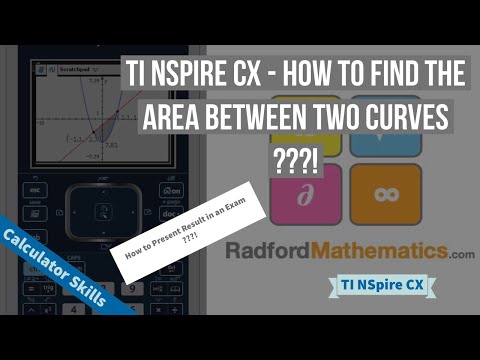
Calculus · SL 5.11
Find the area between two curves with a TI-Nspire CX.
Watch on YouTube (opens in a new tab)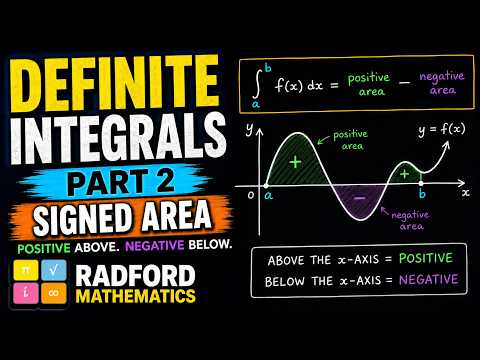
Calculus · SL 5.11
Interpret definite integrals as signed area and distinguish them from total geometric area.
Watch on YouTube (opens in a new tab)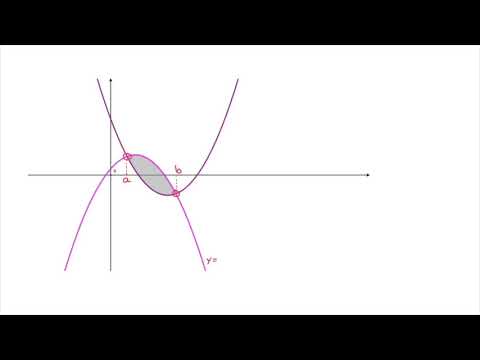
Calculus · SL 5.11
Set up the integral for the area enclosed between two curves.
Watch on YouTube (opens in a new tab)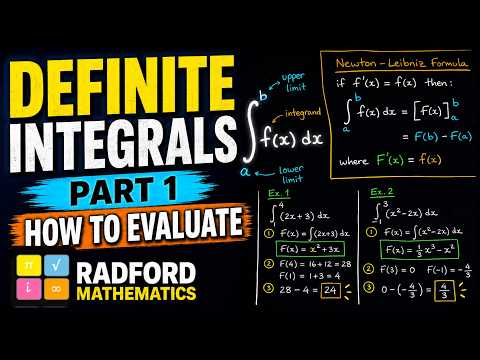
Calculus · SL 5.11
Evaluate definite integrals with the Newton–Leibniz formula.
Watch on YouTube (opens in a new tab)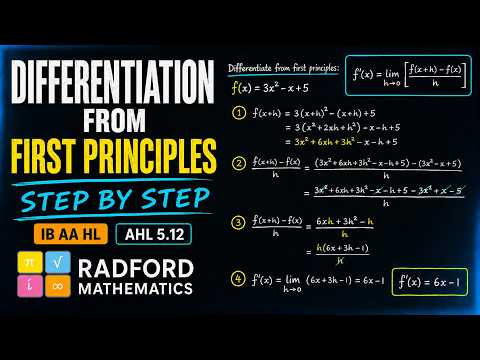
Calculus · AHL 5.12
Derive a derivative from first principles with careful algebraic steps.
Watch on YouTube (opens in a new tab)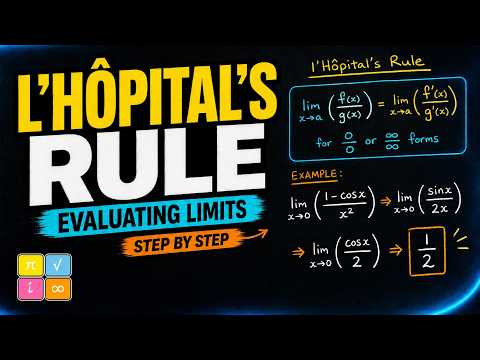
Calculus · AHL 5.13
Apply L’Hôpital’s rule to evaluate suitable indeterminate limits.
Watch on YouTube (opens in a new tab)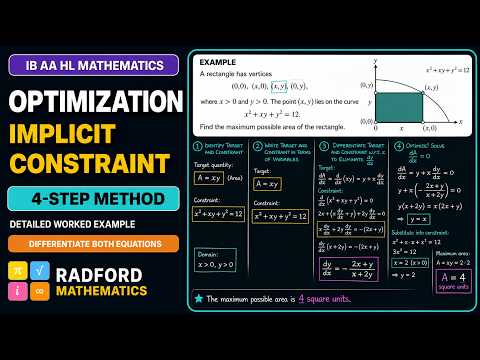
Calculus · AHL 5.14
Solve an optimisation problem with an implicit constraint in four steps.
Watch on YouTube (opens in a new tab)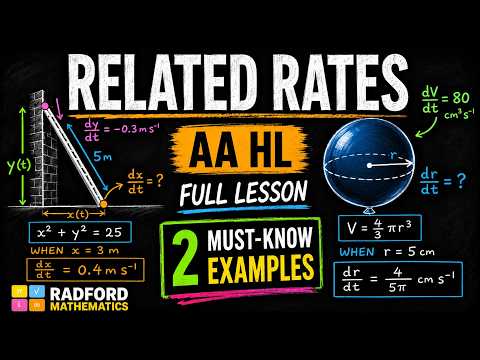
Calculus · AHL 5.14
Solve related-rates problems by differentiating relationships with respect to time.
Watch on YouTube (opens in a new tab)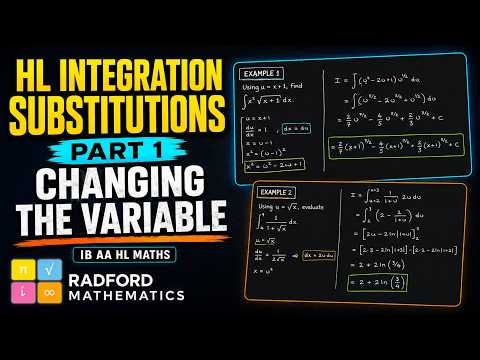
Calculus · AHL 5.16
Change the variable to solve an advanced integration-by-substitution problem.
Watch on YouTube (opens in a new tab)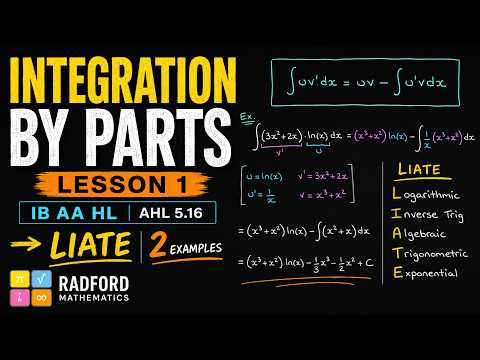
Calculus · AHL 5.16
Choose u and dv with LIATE and apply integration by parts to worked examples.
Watch on YouTube (opens in a new tab)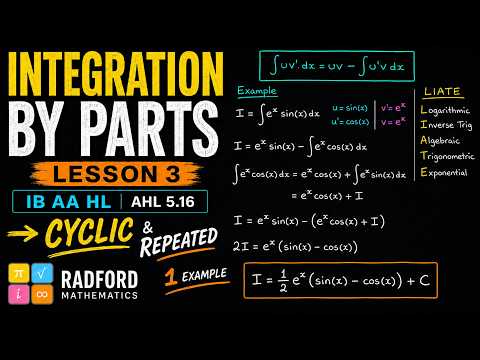
Calculus · AHL 5.16
Handle repeated and cyclic integration by parts, including integrals that return.
Watch on YouTube (opens in a new tab)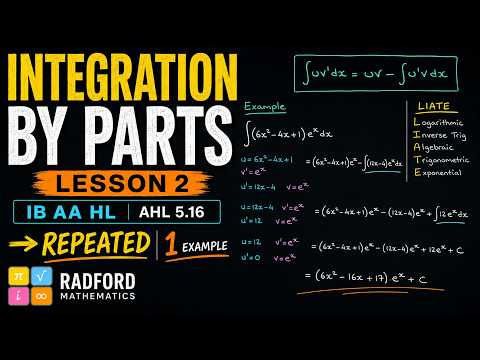
Calculus · AHL 5.16
Apply integration by parts repeatedly in a worked example.
Watch on YouTube (opens in a new tab)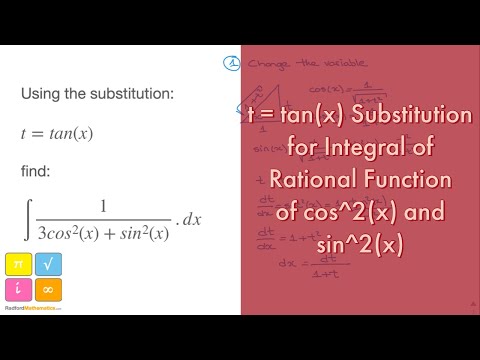
Calculus · AHL 5.16
Apply t = tan(x) to a rational expression involving squared trigonometric functions.
Watch on YouTube (opens in a new tab)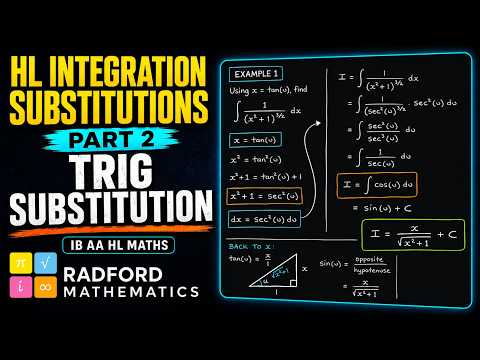
Calculus · AHL 5.16
Use a trigonometric substitution and a right triangle to return to the original variable.
Watch on YouTube (opens in a new tab)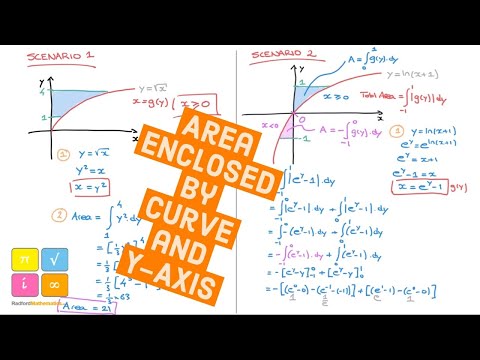
Calculus · AHL 5.17
Calculate an area between a curve and the y-axis over a stated y-interval.
Watch on YouTube (opens in a new tab)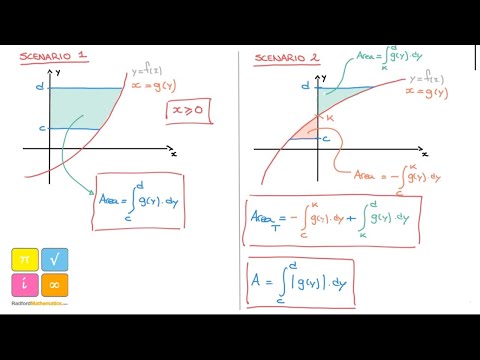
Calculus · AHL 5.17
Set up an area integral with respect to y.
Watch on YouTube (opens in a new tab)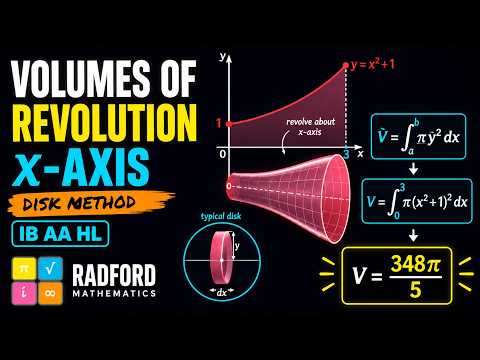
Calculus · AHL 5.17
Use the disk method to find a volume of revolution about the x-axis.
Watch on YouTube (opens in a new tab)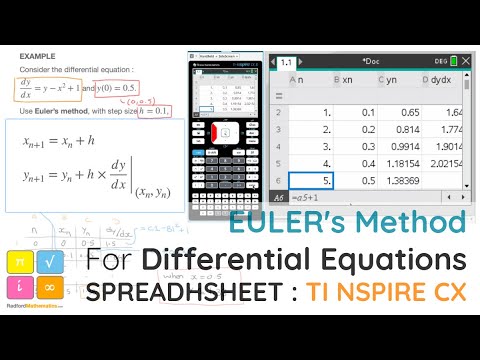
Calculus · AHL 5.18
Implement Euler’s method using a spreadsheet on the TI-Nspire CX.
Watch on YouTube (opens in a new tab)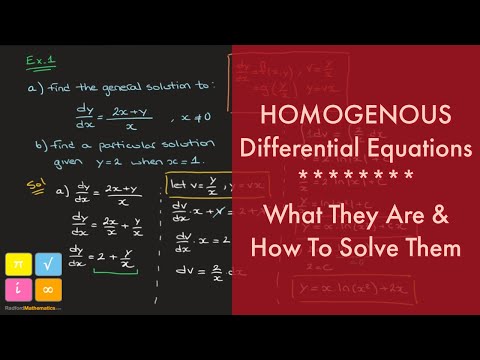
Calculus · AHL 5.18
Recognise homogeneous differential equations and solve them using a substitution.
Watch on YouTube (opens in a new tab)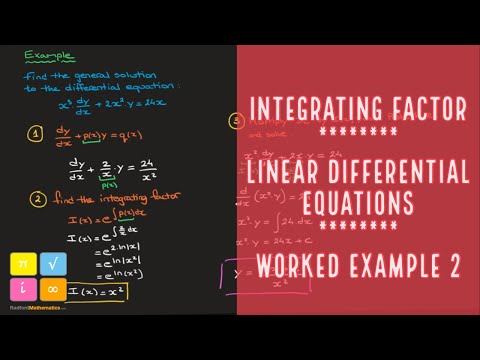
Calculus · AHL 5.18
Solve a first-order linear differential equation using an integrating factor: example 2.
Watch on YouTube (opens in a new tab)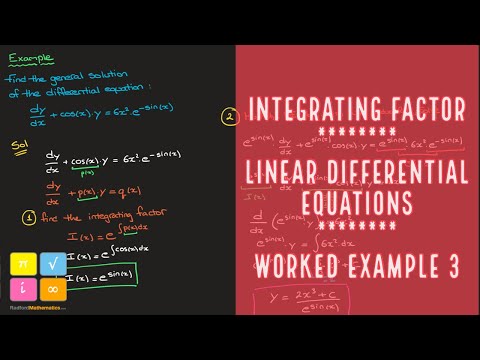
Calculus · AHL 5.18
Solve a first-order linear differential equation using an integrating factor: example 3.
Watch on YouTube (opens in a new tab)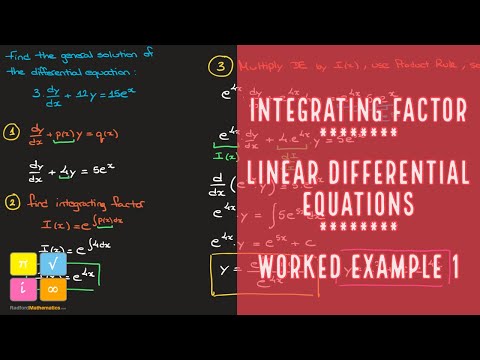
Calculus · AHL 5.18
Solve a first-order linear differential equation using an integrating factor: example 1.
Watch on YouTube (opens in a new tab)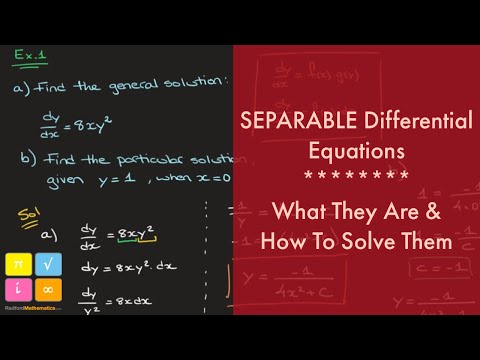
Calculus · AHL 5.18
Separate variables and integrate to solve first-order differential equations.
Watch on YouTube (opens in a new tab)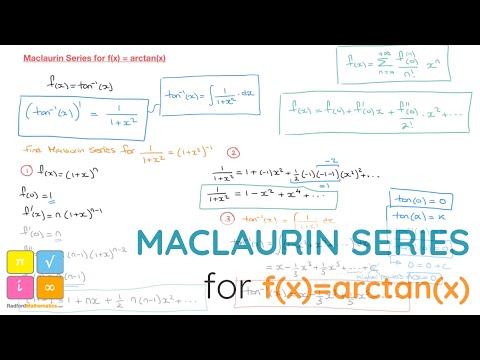
Calculus · AHL 5.19
Derive the series for arctan(x) by integrating the series for 1/(1 + x²).
Watch on YouTube (opens in a new tab)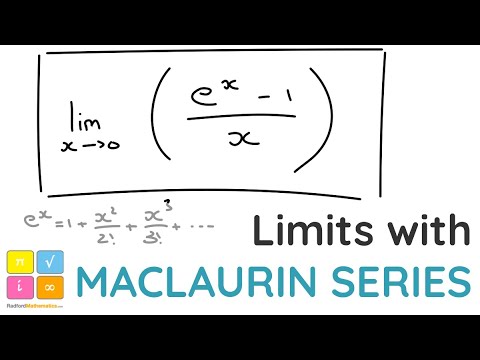
Calculus · AHL 5.19
Evaluate a limit by substituting suitable Maclaurin expansions.
Watch on YouTube (opens in a new tab)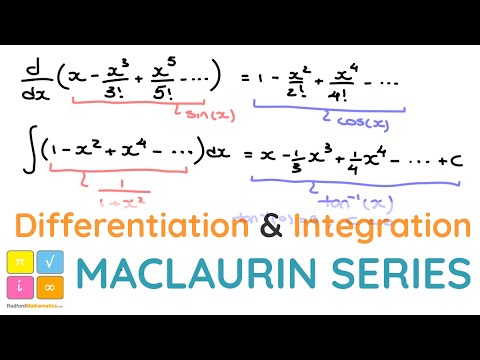
Calculus · AHL 5.19
Differentiate and integrate known Maclaurin series to obtain new expansions.
Watch on YouTube (opens in a new tab)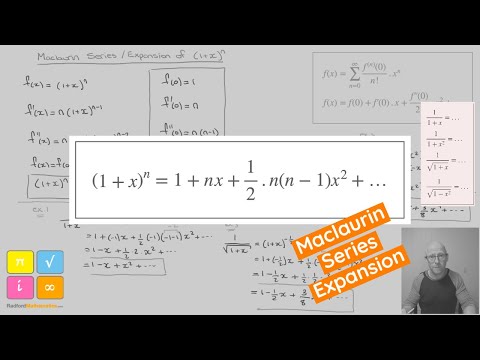
Calculus · AHL 5.19
Use the expansion of (1 + x)^n to obtain other Maclaurin series.
Watch on YouTube (opens in a new tab)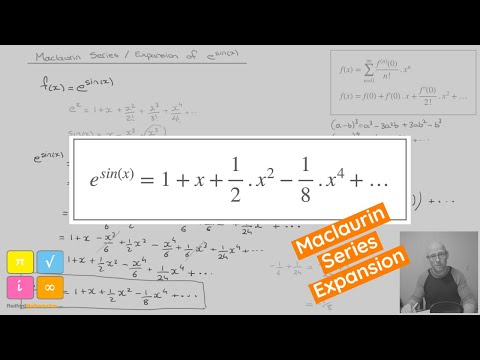
Calculus · AHL 5.19
Find the Maclaurin expansion of e^(sin x) using substitution.
Watch on YouTube (opens in a new tab)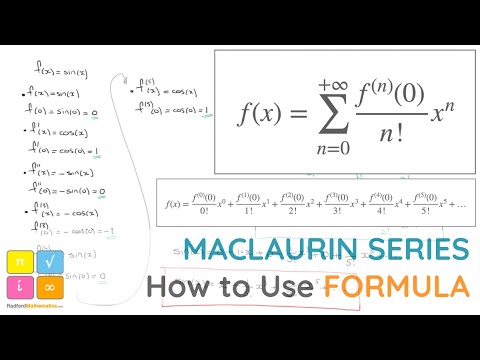
Calculus · AHL 5.19
Read and apply the Maclaurin-series formula in a detailed worked example.
Watch on YouTube (opens in a new tab)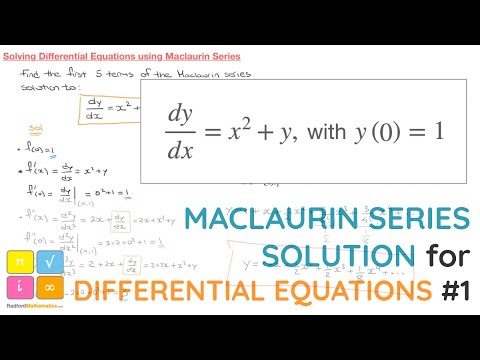
Calculus · AHL 5.19
Find a Maclaurin-series solution to a differential equation: example 1.
Watch on YouTube (opens in a new tab)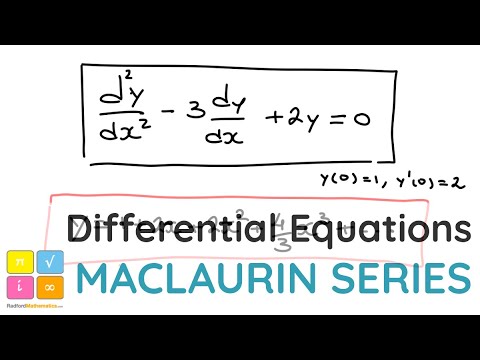
Calculus · AHL 5.19
Find a series solution to a second-order linear differential equation.
Watch on YouTube (opens in a new tab)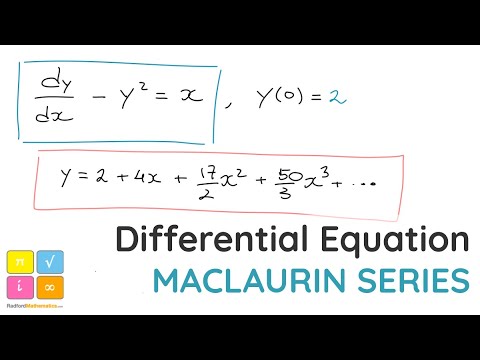
Calculus · AHL 5.19
Find a Maclaurin-series solution to a nonlinear first-order differential equation.
Watch on YouTube (opens in a new tab)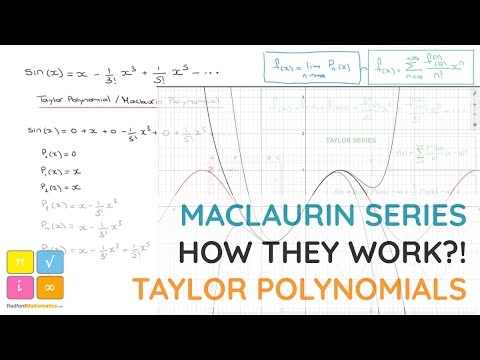
Calculus · AHL 5.19
Understand Maclaurin series through polynomial approximations and graphs.
Watch on YouTube (opens in a new tab)